Book
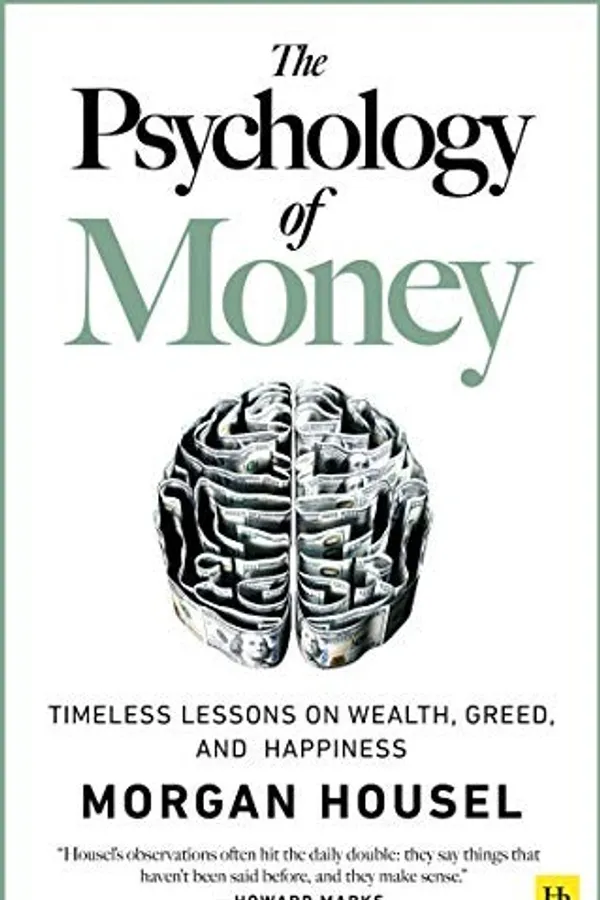
The Psychology of Money
Morgan Housel
- TYPE
- Book
- SHELF
- Trading & Markets
- TIME
- 1 min read
- DATE
- 2025 · 03 · 12
- STATUS
- Completed
- IDEAS
Markets · Psychology
Why it matters
It convinced me that financial outcomes are mostly behavior, not intelligence — and behavior is trainable.
Summary
Short essays arguing that doing well with money has little to do with how smart you are and a lot to do with how you behave — patience, room for error, and knowing the game you're playing.
Key ideas
- Wealth is the income you don't spend — the assets you don't see.
- Room for error (a margin of safety) is the most important variable in any plan.
- Compounding rewards time more than brilliance.
- Know the game you're playing; most disagreements are people playing different ones.
Best quotes
“Doing well with money has a little to do with how smart you are and a lot to do with how you behave.”
“Wealth is what you don't see.”
Personal notes
What changed after reading this
It moved my attention from being right to staying in the game — endurance as the real edge.
Where I disagree
The essay form trades rigor for memorability. The stories persuade, but a few generalize a single anecdote further than it can bear.
How it connects
- Blockhedge — “room for error” and “know the game you’re playing” are risk policy, not aphorisms: define horizon and survival before chasing return.
- Meditations — patience here is Stoic discipline in a different vocabulary.
Takeaways
- Build margin of safety into every plan; survival comes first.
- Define the time horizon before judging any decision.
Related knowledge